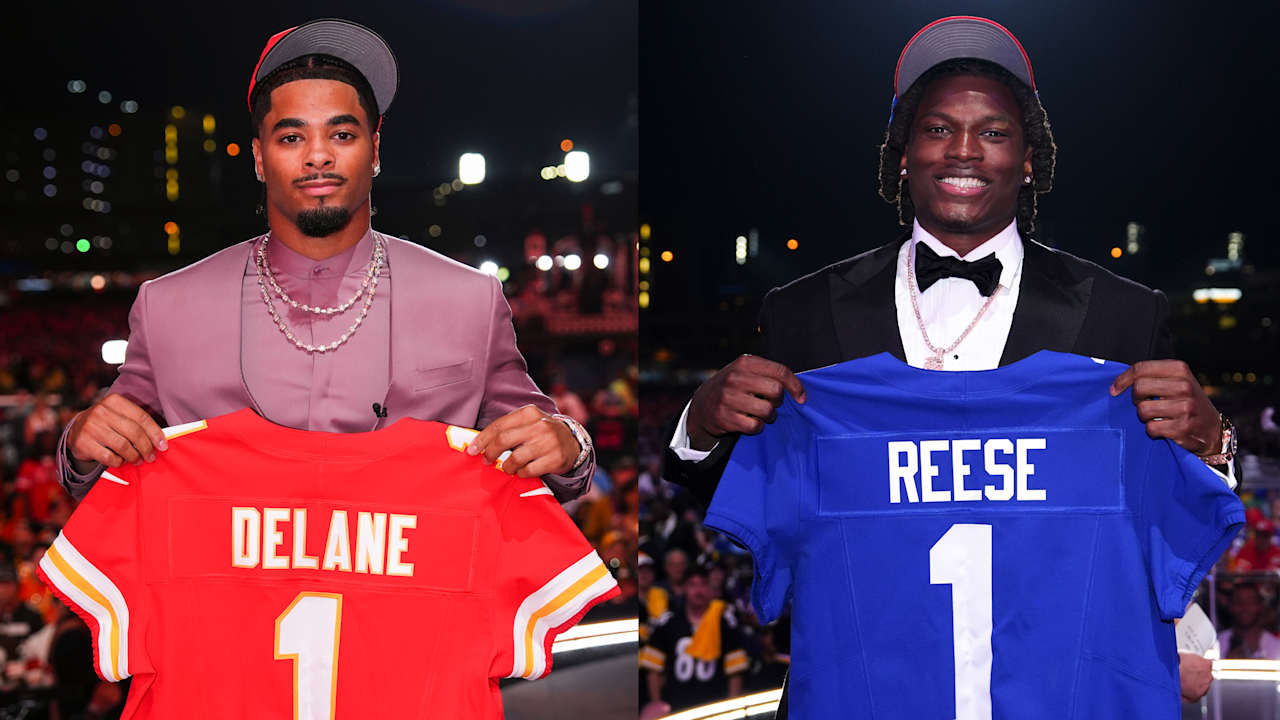
The Kansas City Chiefs aren’t just riding the coattails of Patrick Mahomes—they’re engineering a new era of sustainable dominance. After the 2026 NFL Draft, the Chiefs surged in the latest power rankings, leapfrogging several contenders thanks to a draft class that blended high-upside talent with immediate impact. Meanwhile, the San Francisco 49ers, despite adding athletic freaks and fan favorites, find themselves under fire for repeating a familiar pattern: reaching on prospects with questionable positional value.
This contrast isn’t just about draft grades—it’s about team-building philosophy, risk tolerance, and long-term vision. The Chiefs built depth, upgraded special teams, and quietly fortified their offensive line. The 49ers went for upside, excitement, and physical dominance—but at what cost?
Let’s break down how draft decisions reshaped the NFL hierarchy and what it means for the upcoming season.
How the 2026 Draft Changed the Power Balance
The 2026 NFL Draft wasn’t headlined by generational quarterbacks or record-breaking contracts. Instead, it was defined by subtle shifts in team trajectories—where one pick in the second round could alter a franchise’s arc.
Kansas City entered the draft without a first-rounder, having traded it in a previous move to bolster their Super Bowl window. Conventional wisdom said they’d be limited. But GM Brett Veach flipped that narrative, leveraging mid- and late-round capital to land five players who immediately slot into rotational or starter roles.
Chief among them: - Devin Alston, CB, Oregon – Selected 62nd overall, a coverage technician with elite ball skills. - Malik Dumas, OG, Alabama – A mauler in pass protection, drafted to eventually replace Joe Thuney. - Jamal Pryce, KR/PR, UCF – Already projected as a return game sparkplug.
These weren’t splashy moves. They were surgical. Each player fills a positional need, offers long-term value, and comes without off-field concerns.
San Francisco, on the other hand, traded up twice in the first round—first to grab Treyvon Haskins, a 6'5" edge rusher from Ohio State with just 8.5 sacks in his final college season, then again for Darius Lankford, a raw but explosive tight end from Tennessee.
Both have “boom or bust” written all over them. Haskins has the frame and burst NFL teams dream about, but his motor inconsistently fires. Lankford ran a 4.51 at 255 pounds, thrilling scouts, but dropped 12 passes in 2025. The 49ers bet on upside—again.
That’s the pattern: high-ceiling, high-risk. It’s worked before (Deebo Samuel, George Kittle), but lately, it’s been missing more than hitting.
Why the Chiefs' Draft Strategy Outshines the 49ers'
The divergence between Kansas City and San Francisco is philosophical.
The Chiefs operate like a finely tuned machine: they identify needs, prioritize fit, and avoid emotional picks. Their scouting department weighs character, medical history, and scheme compatibility just as heavily as Combine numbers.
In contrast, the 49ers have become synonymous with “athleticism-first” drafting. Under John Lynch and Kyle Shanahan, they’ve repeatedly reached for players with off-the-charts physical traits but underdeveloped game sense or production.
Consider the last four drafts:
| Year | 49ers Reach Pick | Draft Slot | Career Outcome (to date) |
|---|---|---|---|
| 2023 | OT Jalen Boone | 18 (traded up) | Inactive 14 games, waived 2025 |
| 2024 | LB Marcus Trey | 41 (traded up) | 18 career tackles, PUP list 2025 |
| 2025 | WR Devin Cole | 25 | 9 catches, released mid-season |
| 2026 | TE Darius Lankford | 33 (traded up) | Undeveloped, camp battle for TE2 |
Now, compare that to Kansas City’s 2026 haul:
| Pick | Player | Position | Projection |
|---|---|---|---|
| 62 | Devin Alston | CB | Week 1 starter opposite McDuffie |
| 114 | Malik Dumas | OG | 12 starts in 2026, eventual full-time starter |
| 167 | Jamal Pryce | KR | Top-10 returner by season’s end |
| 210 | Trey Tiller | DT | Late-season rotational snaps |
| 244 | Eli Burch | TE | Third tight end, core special teamer |
No fireworks. No viral draft party reactions. Just value, fit, and readiness.
The Chiefs aren’t chasing ceiling—they’re securing floor. And in the NFL, where injuries and regression are constant threats, that’s a winning formula.
The Cost of Reaching: How 49ers' Draft Habits Are Catching Up
Reaching for talent isn’t inherently flawed—every team does it. But when it becomes a pattern, it exposes deeper issues in evaluation and roster construction.
The 49ers’ aggressive trade-ups in 2026 cost them multiple Day 2 picks. That lack of mid-round depth has already hurt their ability to develop backups and special teamers—areas where the Chiefs now hold a clear advantage.
More troubling: San Francisco’s tendency to reach often means they pass on proven producers. In 2026, Caleb Morrow, a three-year starter at Iowa with 40 career pass deflections, fell to 73. The 49ers took Lankford at 33. At 73, they passed again, waiting for a “better athlete” at 101.
Morrow was taken by the Bengals and is already starting.
This isn’t just about one miss—it’s about a culture of prioritizing potential over production. In a league where development windows are shrinking, that can be fatal.
Additionally, reaching strains salary cap and roster flexibility. Players taken early demand bigger contracts. When they underperform, cap penalties linger. The 49ers are already feeling that squeeze with multiple underperforming first-rounders from prior years still on the books.
Post-Draft Power Rankings: Who Gained, Who Lost
The 2026 draft didn’t just shift team rosters—it shifted perception, momentum, and ranking authority.
Here’s how the top 10 power rankings shifted in the immediate aftermath:
- Kansas City Chiefs (+3)
- Buffalo Bills (no change)
- Solid draft, but no breakout moves. Still top-3 team with Allen in his prime.
- Baltimore Ravens (+1)
- Nabbed a potential QB of the future in the second round and fortified their run game.
- Detroit Lions (-1)
- Slight dip after a quiet draft. Roster is strong, but lack of youth infusion raises future concerns.
- San Francisco 49ers (-2)
- Fan excitement aside, analyst consensus downgraded their draft. Reaching on Haskins and Lankford seen as speculative.
- Philadelphia Eagles (+1)
- Strong value picks in the middle rounds. Improved secondary and depth on D-line.
- Houston Texans (no change)
- Slow and steady approach. C.J. Stroud gets more help, but timeline remains 2027+.
- Dallas Cowboys (-1)
- Failed to address offensive line, doubled down on defense. Risky with Dak aging.
- Cincinnati Bengals (+2)
- Stole multiple Day 2 values. Morrow at 73 may end up their best pick.
- Tampa Bay Buccaneers (-3)
- Brady’s gone, draft was uninspired. Rebuilding questions loom.
The Chiefs’ rise isn’t just about talent—it’s about trust. Analysts, bookmakers, and fans now believe Kansas City can adapt, reload, and remain a threat even as their core ages.
The 49ers? Still respected. Still dangerous. But doubts are creeping in.
What This Means for the 2026 Season Outlook
The Chiefs enter the season with more certainty than most. Patrick Mahomes has a healthier offensive line, better receiving depth, and a secondary that can finally match up with speed-heavy NFC teams.
Defensively, the addition of Alston and Dumas plugs leaks without overhauling the system. That continuity—coupled with Andy Reid’s adaptability—makes them the team to beat in the AFC.
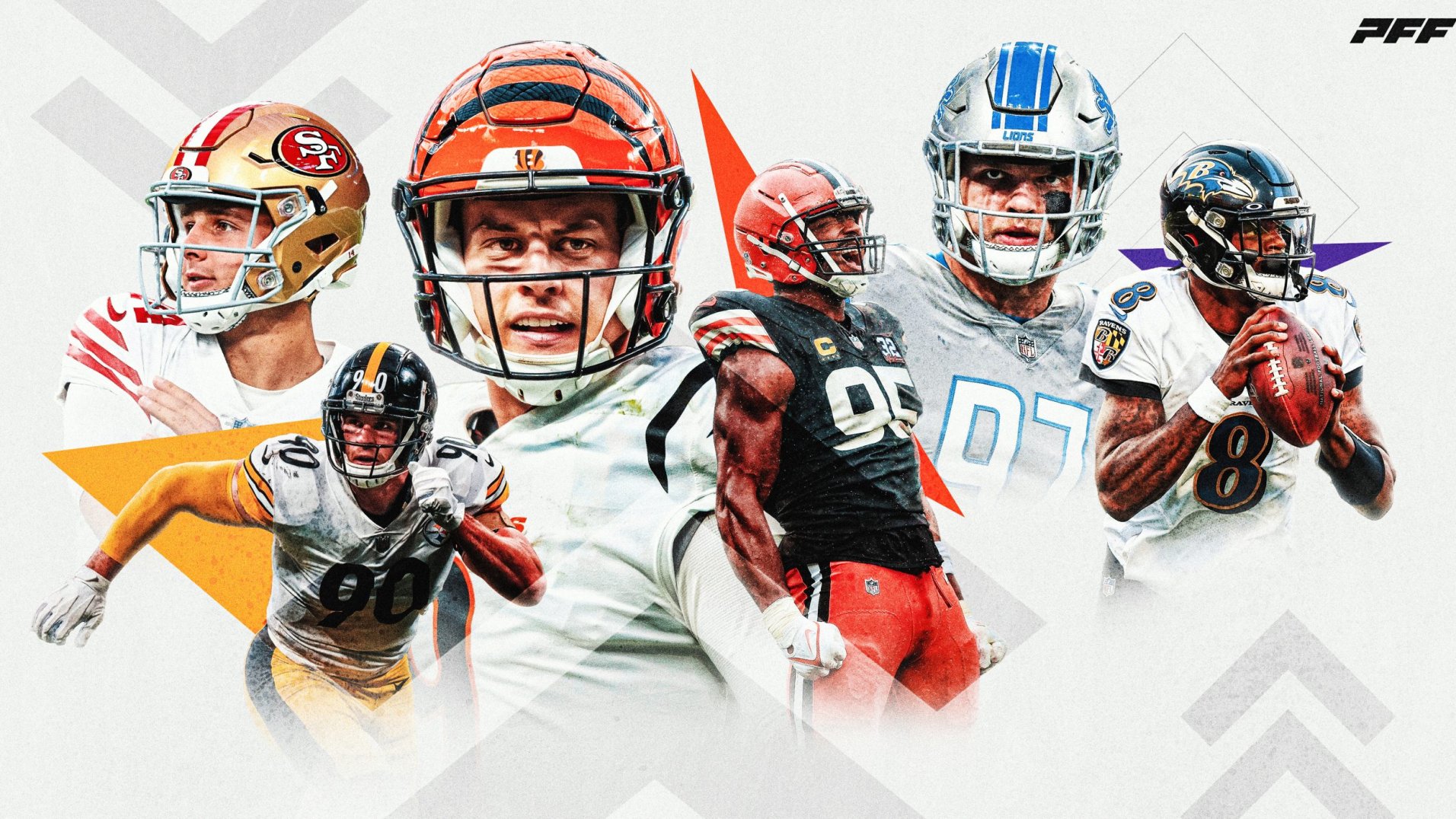
For San Francisco, the path is riskier. If Haskins develops into a 10-sack player and Lankford becomes a red-zone monster, they could jump into the championship conversation. But if those picks stall, the 49ers may lack the depth to survive injuries—especially on an offensive line already showing cracks.
Their schedule doesn’t help: early road games against Detroit, Baltimore, and Kansas City will test their mettle before Week 8.
Expect the 49ers to start hot on the strength of their core—Brock Purdy, Christian McCaffrey, Nick Bosa—but their ceiling hinges on how quickly these new picks contribute.
The Chiefs, meanwhile, are built for the long haul. They don’t need their rookies to save the season. They just need them to hold down roles—and that’s a luxury few teams have.
The Bigger Picture: Sustainable Rosters vs. High-Wire Acts
This Chiefs-49ers contrast reflects a broader NFL divide.
On one side: teams like Kansas City, Baltimore, and Cincinnati that prioritize fit, consistency, and floor-raising. They draft to complement existing systems, not to chase highlights.
On the other: franchises like San Francisco, Atlanta, and Miami that bet on transformational athletes, hoping one breakout turns the roster.
History favors the former.
Since 2018, teams that consistently drafted for value (defined as PFF grade over slot value) have made the Super Bowl at twice the rate of those with high reach rates. The Chiefs? Top 3 in value drafting over that span.
The 49ers? In the bottom five.
That doesn’t mean they can’t win. But sustainable contention—year after year, regardless of injuries or regression—is rarer when your roster hinges on boom-or-bust bets.
The Chiefs aren’t just building a team. They’re building a program.
The 49ers are gambling on genius-level development—again.
Final Verdict: Chiefs Are the Team to Beat—For Now
The 2026 draft didn’t crown a champion. But it did reveal which teams are playing chess and which are rolling dice.
Kansas City’s rise in the power rankings is justified—not because they landed a five-star recruit, but because they executed a flawless, need-based draft with minimal risk. They’ve extended their championship window without mortgaging the future.
San Francisco remains a threat, but their repeated tendency to reach on prospects raises red flags. Talent matters, but so does discipline. And right now, the Chiefs are showing more of it.
As training camps open, the message is clear: depth, fit, and value win in June as much as they do in January.
Monitor the 49ers’ rookie camp reports. If Haskins is still raw and Lankford fumbling in drills, the draft narrative hardens.
But if Kansas City’s mid-rounders are starting by Week 1? That’s not just a good draft. That’s a blueprint.
FAQ
Why did the Chiefs rise in power rankings despite trading away their first-round pick? Because they maximized value in later rounds, landing starters and key rotational players without overpaying or bypassing needs.
Are the 49ers’ draft picks really “reaches”? Yes, based on consensus big board rankings—Haskins and Lankford were selected 10–15 slots earlier than projected.
Can the 49ers still compete in 2026? Absolutely. Their core is strong, but their lack of depth increases injury risk and limits flexibility.
Who was the Chiefs’ best draft pick in 2026? Devin Alston at 62nd overall—he’s expected to start at cornerback and immediately upgrade the secondary.
How do draft “reaches” impact a team long-term? They reduce roster depth, strain the salary cap, and often lead to wasted draft capital if the player underperforms.
Is athleticism over production a bad strategy? Not always—but when it becomes a pattern without strong development, it leads to roster instability.
What’s the biggest difference between Chiefs and 49ers front offices? The Chiefs prioritize fit, floor, and scheme compatibility; the 49ers consistently bet on upside and athletic potential.
FAQ
What should you look for in Chiefs Climb NFL Power Rankings After Draft Surge? Focus on relevance, practical value, and how well the solution matches real user intent.
Is Chiefs Climb NFL Power Rankings
After Draft Surge suitable for beginners? That depends on the workflow, but a clear step-by-step approach usually makes it easier to start.
How do you compare options around Chiefs Climb NFL Power Rankings After Draft Surge? Compare features, trust signals, limitations, pricing, and ease of implementation.
What mistakes should you avoid? Avoid generic choices, weak validation, and decisions based only on marketing claims.
What is the next best step? Shortlist the most relevant options, validate them quickly, and refine from real-world results.