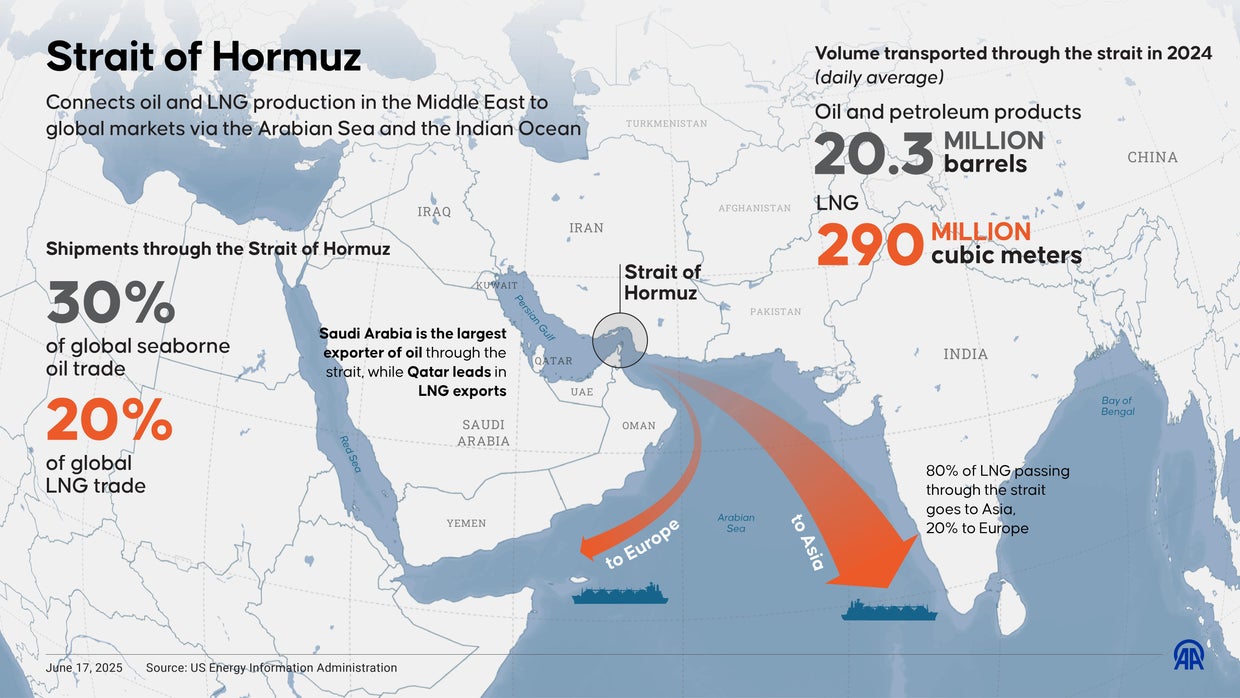
The Strait of Hormuz isn’t just a narrow waterway between Iran and the Arabian Peninsula—it’s a global economic chokepoint where 20% of the world’s oil supply passes through. Now, Iran is reportedly offering a deal to the United States involving security and access in the strait, a move that could reshape regional stability and energy markets overnight. With oil prices sensitive to Middle East flare-ups and shipping insurers on high alert, this development isn’t background noise—it’s a potential pivot point.
While details remain limited, the mere suggestion of diplomatic engagement on such a strategic front signals a shift. After years of escalating tensions, sanctions, and shadow conflicts, the message from Tehran appears to be: let’s talk. But what exactly is on the table? What’s the real state of play? And more importantly—what happens next for oil, shipping, and global markets?
Let’s break it down.
The Strait of Hormuz: Why This Proposal Matters
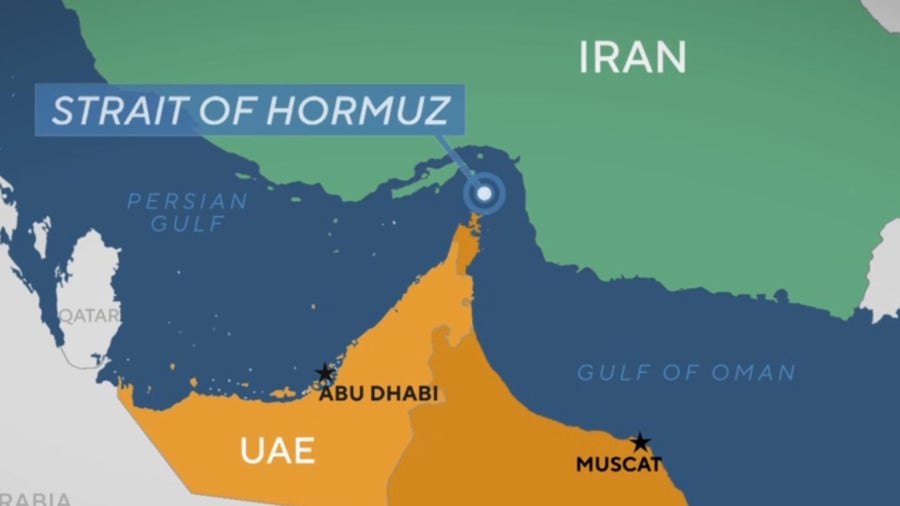
The Strait of Hormuz connects the Persian Gulf to the Gulf of Oman and the Arabian Sea. Every day, about 17 to 21 million barrels of crude oil pass through it—coming from Saudi Arabia, Iraq, Kuwait, the UAE, and, yes, Iran.
Any disruption here sends shockwaves through energy markets. In 2019, drone attacks on oil tankers and U.S. accusations of Iranian sabotage pushed Brent crude above $70 in a matter of days. That’s the kind of volatility that rattles not just traders but central banks and inflation models.
So when Iran proposes a deal tied to access and security in the strait, it’s not just diplomatic posturing—it’s a lever on global oil flow.
This isn’t the first time Tehran has dangled maritime cooperation. But what makes this different is timing. U.S. focus has been stretched thin—Ukraine, Gaza, Taiwan—and diplomacy fatigue is real. Meanwhile, Iran’s economy, battered by sanctions and inflation nearing 40%, needs breathing room. A deal that reduces U.S. naval pressure and opens the door to eased sanctions might be worth offering concessions on maritime security.
What Iran Is Reportedly Offering
According to intelligence leaks and regional diplomatic sources, Iran’s proposal includes:
- Guarantees of safe passage for commercial vessels, including those flagged by U.S. allies
- A potential reduction in naval harassment of foreign ships near strategic chokepoints
- A mutual de-escalation agreement regarding military posturing in the strait
- Backdoor talks on U.S. sanctions relief in exchange for verifiable compliance
It’s not a full treaty. It’s not even a signed memorandum. But it’s a signal—possibly orchestrated through Omani or Qatari intermediaries—that Tehran is open to a limited détente focused on maritime stability.
Crucially, the proposal avoids addressing Iran’s nuclear program, ballistic missile development, or regional proxies—core U.S. concerns. This is a narrowly tailored offer, designed to be actionable without reopening broader, stalled negotiations.
Still, even a narrow deal would carry weight. For the U.S., securing the strait without military confrontation is a win. For Iran, even incremental sanctions relief could boost oil exports and stabilize the rial.
U.S. Response: Cautious, But Listening
Washington has not confirmed direct negotiations, but senior officials have acknowledged “backchannel messaging” regarding regional maritime security.
The Biden administration, wary of appearing soft on Iran ahead of an election year, is treading carefully. But there’s internal recognition: a stable Hormuz benefits everyone. The U.S. Fifth Fleet, based in Bahrain, spends significant resources monitoring and escorting vessels. Any reduction in incidents means fewer risks and lower operational costs.
Moreover, with oil prices already pressured by OPEC+ supply decisions and weakening Chinese demand, avoiding a supply shock is in America’s interest.
Still, skepticism runs deep. Officials remember 2019, when Iran seized British tankers in retaliation for Gibraltar arrests. They recall drone swarms, missile attacks on Saudi facilities, and attacks on U.S.-linked cargo ships.
So any U.S. move will likely be incremental—possibly starting with confidence-building measures like joint naval communication protocols or third-party monitoring.
Where Things Stand Today
As of now, no formal talks are public. No delegation has met. But the diplomatic temperature has shifted.
Iran has toned down its rhetoric around recent U.S. naval movements. The U.S. has not escalated responses to minor incidents. And regional players like the UAE and Saudi Arabia—often caught in the crossfire—are quietly encouraging dialogue.
The market, however, is already pricing in cautious optimism.
Brent crude, which hovered near $88 in early tension spikes, has settled around $82. Insurance premiums for Gulf shipping—normally spiking during standoffs—are flat. That suggests traders believe the risk of a major disruption has dipped, even without a signed deal.
But markets are fickle. They remember how fast things can unravel.
In 2023, a single drone attack on a tanker near Fujairah sent oil prices up 3% in hours. A misstep—say, an alleged Iranian seizure of a U.S.-flagged vessel—could wipe out months of diplomatic progress in minutes.
Implications for Oil and Energy Markets
If the Hormuz proposal leads to a durable, verifiable arrangement, the ripple effects could be significant:
- Lower risk premiums in oil prices: A stable strait reduces the “geopolitical discount” baked into crude futures. We could see Brent trade more on supply-demand fundamentals than war risk.
- Cheaper shipping insurance: War risk premiums, which can add $500,000+ to a single voyage, could shrink. That reduces costs for Asian refiners and European importers alike.
- Boost to Iranian exports: Even partial sanctions relief could let Iran add 300,000–500,000 bpd to global supply. That’s material in a tight market.
- Regional investment appeal: Stability attracts energy investment. The UAE and Qatar are expanding LNG capacity. Saudi Arabia is pushing NEOM and Red Sea ports. A calmer Gulf helps all of them.
But there are risks.
If the deal appears one-sided—or collapses mid-process—markets could overcorrect. Traders might front-run a breakdown, buying oil as a hedge. That’s what happened in 2021 when nuclear talks stalled.
And let’s not forget: Iran’s oil is heavy and sour. Not every refinery can process it efficiently. An influx without matching demand could create pricing imbalances, especially in Asia.
Still, the net effect of reduced tension is likely bearish for oil prices—over the medium term.
What’s Next: Three Possible Scenarios
Markets don’t trade on headlines. They trade on probabilities. Here’s how this could unfold:
1. Diplomatic Breakthrough (30% chance) Iran and the U.S. reach a limited agreement: Tehran ensures freedom of navigation, the U.S. eases sanctions on non-oil sectors (shipping, banking). Result: Oil drops to $75–$78, Gulf shipping normalizes, equities rally.
2. Stalemate with Quiet De-escalation (50% chance) No formal deal, but both sides maintain low tensions. Incidents stay below the threshold of crisis. Markets stabilize but remain wary. Oil holds in $80–$85 range. This is the most likely outcome.
3. Breakdown and Escalation (20% chance) A provocation—real or perceived—derails talks. Iran seizes a vessel, or Israel strikes Iranian assets in Syria. U.S. responds. Strait tensions spike. Oil jumps to $95+. Tanker insurance quadruples. This is the tail risk traders hedge against.
Right now, odds favor Scenario 2. But the door to Scenario 1 is open—if both sides show restraint and accept incremental progress.
Limitations and Red Flags Don’t mistake movement for momentum.
Iran’s internal politics are complex. The Revolutionary Guard Corps (IRGC), which controls much of Iran’s naval power, benefits from tension. More patrols, more smuggling, more leverage. Any deal that weakens their grip will face resistance.
Similarly, hardliners in Washington—on both sides of the aisle—oppose engagement with Iran absent full nuclear rollback. A narrow deal on the strait could be attacked as “appeasement.”
And then there’s Israel. With ongoing conflict in Gaza and threats from Hezbollah, Tel Aviv has little appetite for U.S. outreach to Tehran. Any sign of rapprochement could strain U.S.-Israel ties.
Markets often overlook political friction—until it explodes.
What Investors and Traders Should Watch
If you’re managing exposure to energy, shipping, or emerging markets, focus on these indicators:
- U.S. Treasury actions: Any change in sanctions enforcement—especially on Iranian shipping or banking—is a leading signal.
- Fifth Fleet activity: Increased patrols or public warnings suggest rising tensions. A quiet fleet suggests stability.
- Omani and UAE diplomacy: These countries often host backchannel talks. Public statements or high-level meetings are clues.
- Oil differentials: Watch the Dubai-Oman crude benchmark. Widening spreads signal supply concerns.
- Tanker spot rates: Sudden spikes in Aframax or VLCC rates in the Gulf point to risk aversion.
These metrics matter more than press releases.
The Bottom Line: A Fragile Opening
Iran’s reported offer on the Strait of Hormuz isn’t peace. It’s not even a truce. But it’s a signal that both sides may be tired of the shadow war—and that even limited cooperation could serve their interests.
For markets, the path forward is clear: reduced risk, lower premiums, and more predictable oil flows. But it’s conditional. Trust is thin. Red lines are untested.
The next few weeks will be telling. Watch for quiet diplomacy, not grand announcements. Look for actions—like relaxed naval posturing or eased sanctions—not just words.
If this opening holds, it won’t make headlines. But it could keep oil under $85, shipping lanes open, and global inflation a little more manageable.
And in today’s world, that’s a win.
FAQ
What should you look for in Iran Offers Hormuz Strait Deal to U.S. – What’s Next for Markets? Focus on relevance, practical value, and how well the solution matches real user intent.
Is Iran Offers Hormuz Strait Deal to U.S. – What’s Next for Markets suitable for beginners? That depends on the workflow, but a clear step-by-step approach usually makes it easier to start.
How do you compare options around Iran Offers Hormuz Strait Deal to U.S. – What’s Next for Markets? Compare features, trust signals, limitations, pricing, and ease of implementation.
What mistakes should you avoid? Avoid generic choices, weak validation, and decisions based only on marketing claims.
What is the next best step? Shortlist the most relevant options, validate them quickly, and refine from real-world results.