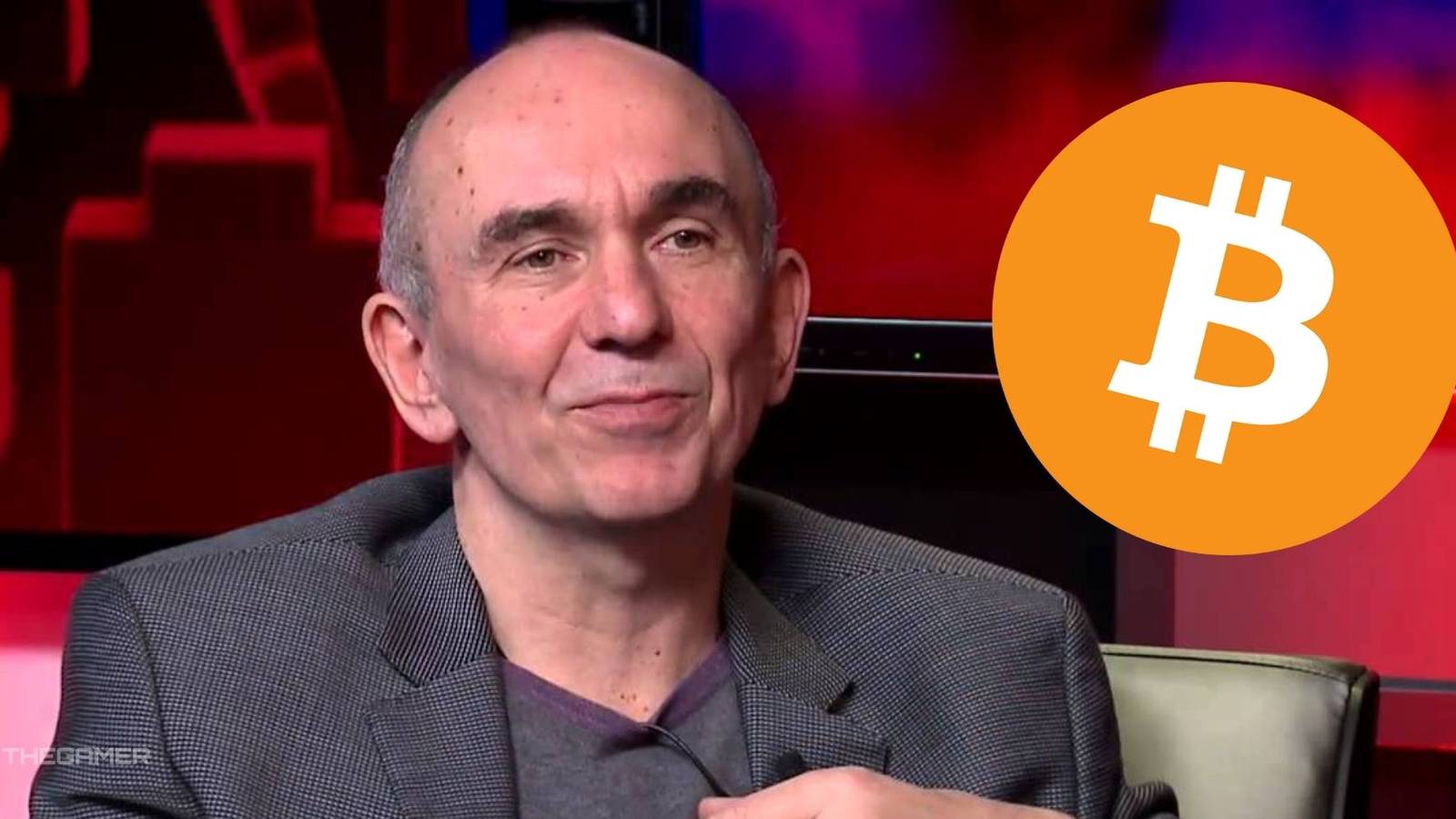
Peter Molyneux built a career on revolutionizing gaming—Populous, Black & White, Fable. A visionary with a flair for drama, he became synonymous with innovation. But behind the charisma and bold promises lies a different story: one of broken timelines, unmet expectations, and real financial losses for backers, investors, and players who believed too much, too soon.
When Godus, the spiritual successor to Populous, launched via Kickstarter in 2012, it raised over £500,000—triple its goal. Molyneux claimed it would redefine god games with emergent storytelling, player-driven evolution, and a living world shaped by choice. What backers received was a stripped-down prototype that never evolved. Worse, many who supported the project financially lost not just money, but trust in the crowdfunding model itself.
This is the untold cost of Molyneux’s ambition: the players and investors who lost big on a dream that never materialized.
The Kickstarter Dream That Turned Sour
Crowdfunding promised a new era—developers free from publisher control, fans empowered as co-creators. Godus was supposed to be a poster child for that movement. Instead, it became a cautionary tale.
Backers pledged at tiers from £10 to £10,000. The top tier, "The Creator," promised a personalized deity modeled after the backer, immortalized in the game world forever. For £500, supporters were promised early access, exclusive content, and a say in development.
What followed was years of delays, shifting roadmaps, and broken features. The promised "infinite world" was finite. The "emergent civilizations" behaved like scripted automatons. The promised multiplayer never arrived.
One backer, Sarah L., a teacher from Manchester, pledged £250 hoping to use Godus in her classroom to teach emergent systems. “I believed in the vision,” she said. “But after two years of silence and a final release that felt like a tech demo, I realized I’d funded a vanity project.”
Others were even more severely impacted. A small investment group from Edinburgh pooled £15,000 across ten members to back the project at the highest tier. They expected equity-level influence and a return via digital rewards and potential resale value. None came. The game’s Steam reviews remain “Mostly Negative,” with over 60% of users citing betrayal and false advertising.
Inside 22cans: The Studio That Bet Everything
Founded in 2012 after Molyneux left Microsoft, 22cans was meant to be the future—agile, innovative, fan-driven. But the studio’s fate became tied to Godus’s failure.
Early reports suggest 22cans operated with a skeleton team for years, surviving on Kickstarter funds and a Microsoft patent licensing deal. When Godus underperformed, the studio pivoted—first to Curiosity: What’s Inside the Cube?, a viral but shallow mobile experiment, then to Godus Wars, a poorly received RTS spinoff.
Employees who spoke anonymously described a culture of pressure and missed goals. “Peter would promise things in interviews we hadn’t even prototyped,” said one former designer. “We were chasing media hype, not building a product.”
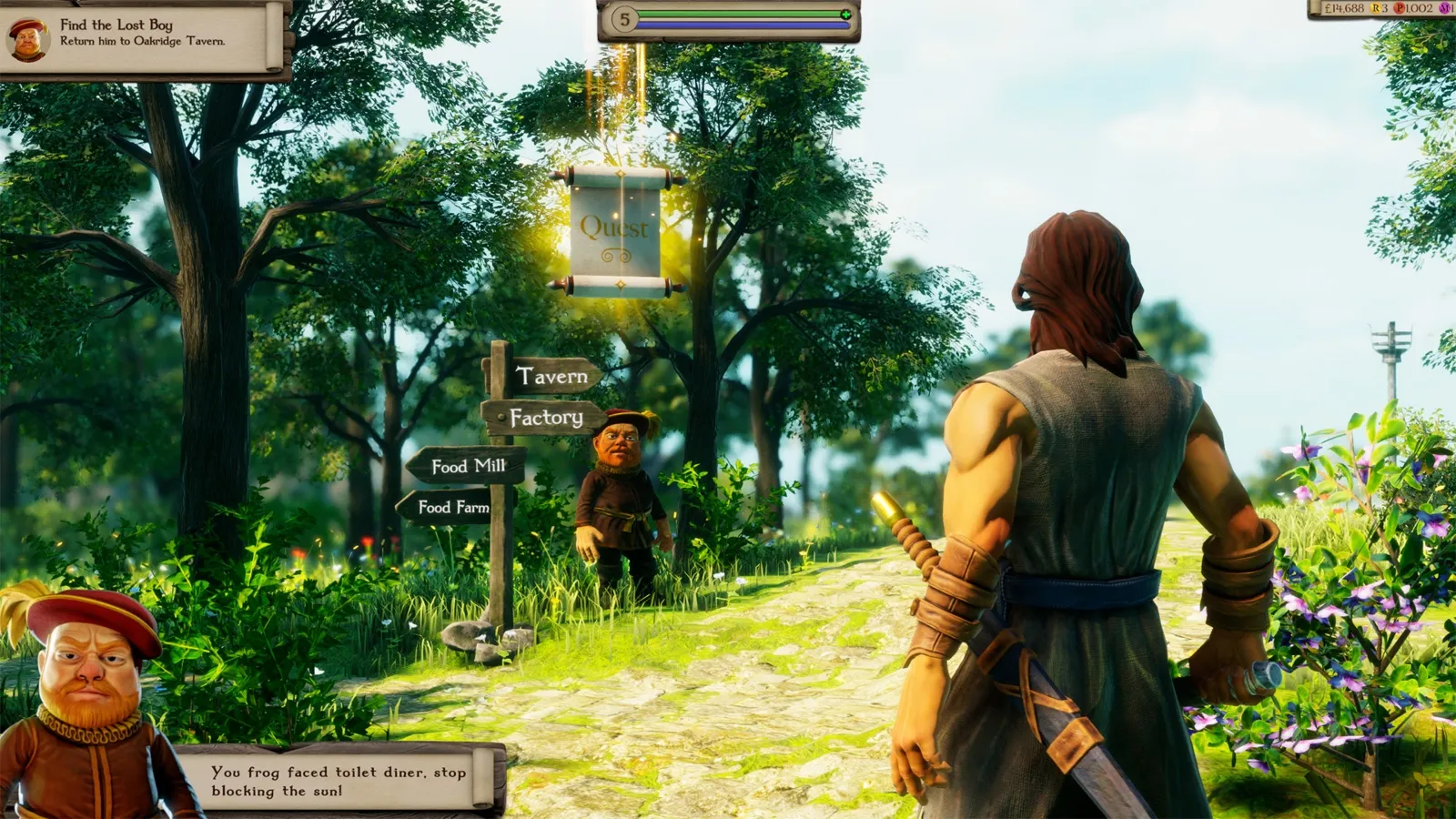
The studio’s failure to deliver didn’t just damage its reputation—it cost people their livelihoods. At least six core developers left between 2014 and 2016, citing burnout and ethical discomfort with ongoing marketing. One programmer, now at a mid-tier studio in Brighton, said: “I spent two years defending a game I knew was broken. That kind of guilt doesn’t go away.”
The Investors Who Saw Red While Kickstarter backers lost thousands, private investors lost millions.
22cans secured undisclosed funding from venture groups, including a London-based tech fund that reportedly invested £1.2 million in 2013. The expectation was a scalable, franchise-ready IP with cross-platform potential.
Instead, they got a game stuck in early access for nearly five years, with negligible sales and no major publishing partner. By 2018, the investor had written off the stake entirely. “We didn’t lose the whole amount in cash,” said a source familiar with the deal, “but the opportunity cost was staggering. That capital could have gone to a studio with realistic roadmaps.”
The issue wasn’t just Godus—it was the pattern. Molyneux had a history of overpromising: Black & White’s creature AI never learned as claimed, and Fable II’s “choices matter” mechanic was heavily curated. Investors hoped he’d matured. He hadn’t.
The Ripple Effect on Crowdfunding Trust
Godus didn’t just fail as a game—it damaged trust in gaming crowdfunding. After its collapse, high-profile projects like Yatagarasu and The Day Before faced immediate skepticism, with fans asking: “Are they the next Molyneux?”
A 2015 Gamasutra survey found that 43% of backers were less likely to support crowdfunded games after Godus and Mighty No. 9’s struggles. One developer, who successfully funded a narrative RPG on Kickstarter, admitted: “We had to over-deliver just to be believed. Molyneux made our job harder.”
Platforms like Kickstarter and Fig began implementing stricter disclosure rules. “We now require realistic milestone tracking,” said a Fig spokesperson in 2016. “Too many creators treated early access like a blank check.”
But the damage was done. Backers learned the hard way: visionary pitch videos don’t guarantee playable products.
Who Was Most Affected?
Not all losses were financial. For some, the cost was emotional or professional.
- High-tier Kickstarter backers: Many paid £500+ for experiences that never existed. One backer in Australia paid nearly $1,200 across multiple pledges and stretch goals. The game he received was free on Steam within a year.
- Small indie studios: Several cited Godus as a reason publishers tightened budgets. “If a legend like Molyneux can’t deliver, who can?” said a studio head in Glasgow.
- Game journalists: Repeated coverage of unmet promises eroded credibility. Outlets that once praised Molyneux’s vision faced backlash for not holding him accountable earlier.
- Players with disabilities: Godus had promised accessibility features, including audio-based world navigation. These were never implemented, disappointing a community that had hoped for inclusive design.
The Myth of the Visionary Excuse
Molyneux has long been given a pass under the “visionary” label. Critics argue that creativity requires risk. But when risk is shouldered entirely by fans and funders, it’s not innovation—it’s exploitation.
Consider the promises made in Godus’s pitch: - “Your decisions will echo through generations.” - “A world that evolves based on morality.” - “Multiplayer civilizations clashing in real time.”
None of these made it into the final product. Worse, Molyneux continued promoting the game as “evolving” years after updates slowed to a crawl.
/cdn.vox-cdn.com/uploads/chorus_image/image/70269281/112379621.0.jpg)
Compare this to studios like Hello Games, which faced similar backlash for No Man’s Sky’s 2016 launch. But Hello Games delivered on its promises—eventually. Updates over five years rebuilt trust. 22cans did not.
There’s a difference between failing forward and failing silently. Molyneux’s legacy is marred not by failure, but by the lack of accountability that followed it.
Lessons for Backers and Developers
The Godus saga offers hard truths:
For backers: - Research the team’s track record. Molyneux had a history of overpromising. - Be wary of stretch goals that add complexity. More features often mean delayed or broken ones. - Treat early access as a beta test, not a finished product.
For developers: - Under-promise and over-deliver. It’s boring, but it builds trust. - Communicate failures early. Silence breeds suspicion. - Respect your backers’ money—it’s not free funding, it’s a trust-based loan.
One successful indie, Valley by Blue Mermaid, cited Godus as a turning point in their development philosophy. “We showed raw builds early,” said the lead. “No cinematics, no hype. Just honesty. People respected that.”
Where Are They Now?
22cans remains active but silent. Their last major update was in 2021, with a cryptic teaser for a new AI-driven game. Molyneux still speaks at conferences, often reflecting on failure with a mix of humility and deflection.
Kickstarter backers received digital art books and in-game titles—meaningless tokens for many. The £500+ tiers? Most were fulfilled with generic thank-you emails and Steam keys for a game that never matched the pitch.
Some have moved on. Others still hold onto their Godus keys like relics of a broken promise.
The Real Legacy Isn’t the Game—It’s the Loss
Peter Molyneux’s name still carries weight. But for every fan who remembers Fable, there’s a backer who remembers a bank statement drained for a mirage.
The true cost of Godus isn’t measured in pounds or pixels. It’s in the erosion of trust, the lost opportunities, and the quiet disillusionment of those who believed in a future that never came.
Vision without delivery isn’t genius—it’s gambling with other people’s futures.
If you’re considering backing a game, ask not what it promises, but what the team has delivered. And remember: even legends can fail—and when they do, it’s the believers who pay the price.
FAQ Why did Godus fail? Godus failed due to overpromising, poor development planning, and a lack of accountability. The scope was too ambitious, and the team couldn’t deliver on its promises.
Did Peter Molyneux apologize for Godus? Yes, Molyneux has publicly admitted to overhyping the game, calling it one of his biggest regrets in interviews.
Can you still play Godus? Yes, Godus is available on Steam, but it remains a shadow of its promised vision, with minimal updates since 2018.
Did 22cans go out of business? No, 22cans still exists but has not released a major title since Godus Wars.
Were backers refunded? No official refunds were issued. Backers received limited digital rewards, but no financial compensation.
Is crowdfunding still safe after Godus? Crowdfunding can work, but backers must be cautious—research teams, read updates, and avoid hype-driven decisions.
What’s next for Peter Molyneux? Molyneux and 22cans are working on a new AI-driven game, but details remain scarce.
FAQ
What should you look for in The Cost of Vision: Inside the Fallout of Molyneux’s Failed Legacy? Focus on relevance, practical value, and how well the solution matches real user intent.
Is The Cost of Vision: Inside the Fallout of Molyneux’s Failed Legacy suitable for beginners? That depends on the workflow, but a clear step-by-step approach usually makes it easier to start.
How do you compare options around The Cost of Vision: Inside the Fallout of Molyneux’s Failed Legacy? Compare features, trust signals, limitations, pricing, and ease of implementation.
What mistakes should you avoid? Avoid generic choices, weak validation, and decisions based only on marketing claims.
What is the next best step? Shortlist the most relevant options, validate them quickly, and refine from real-world results.