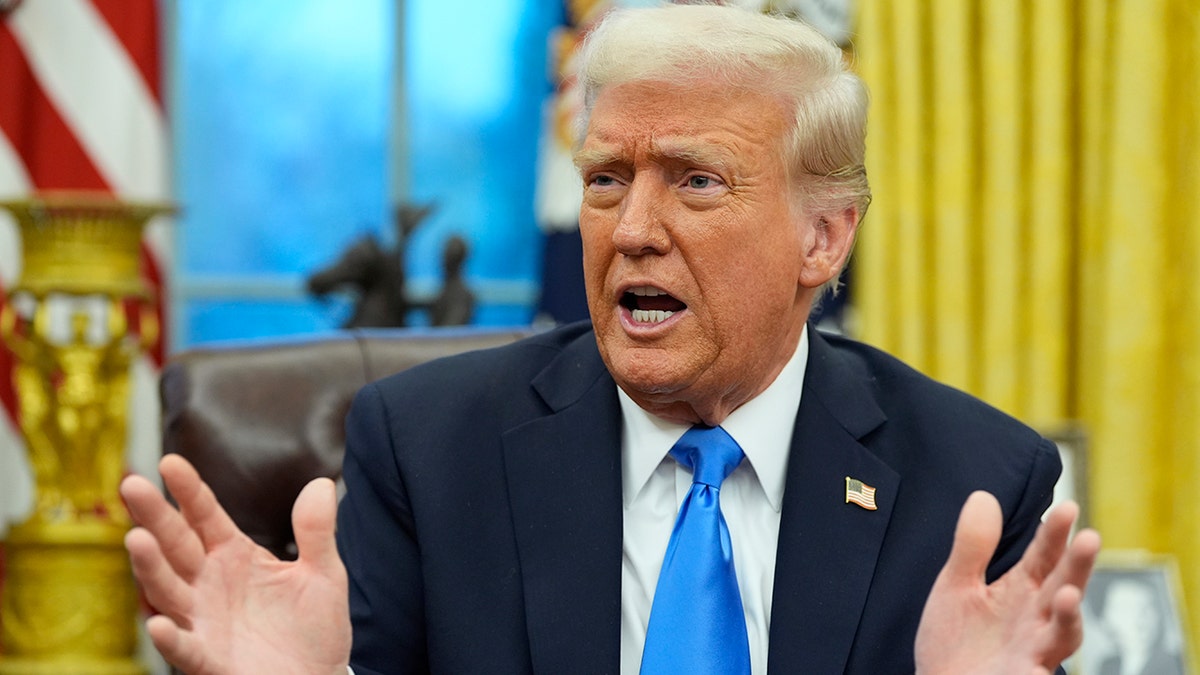
A quiet shift is underway in transatlantic diplomacy. As global alliances recalibrate amid rising geopolitical uncertainty, the stage is set for one of the most symbolically powerful demonstrations of enduring partnership: King Charles III’s upcoming meeting with former President Donald Trump in the Oval Office, followed by a rare address to a joint session of the United States Congress. This isn’t just royal pageantry—it’s strategic statecraft wrapped in centuries of shared history, designed to spotlight the unbroken thread between two nations that continue to shape world affairs.
While the British monarch traditionally remains politically neutral, the symbolic weight of this visit cannot be overstated. Invitations to speak before Congress are reserved for foreign leaders of exceptional importance—figures like Winston Churchill, Nelson Mandela, and Pope John Paul II. Charles’s appearance signals that, even as Britain navigates post-Brexit realignment and the U.S. grapples with domestic polarization, the special relationship remains a cornerstone of global stability.
Why This Meeting Matters Now
Timing is everything in diplomacy. With both the United Kingdom and the United States facing internal political turbulence—Britain managing economic headwinds and questions about the monarchy’s relevance, and the U.S. in the midst of a fiercely contested election cycle—this meeting serves multiple quiet objectives.
For King Charles III, the visit is an opportunity to reframe the monarchy’s role on the world stage—not as a relic, but as a stabilizing force in international dialogue. His focus on climate change, sustainable development, and cultural preservation aligns with growing bipartisan concern in the U.S. about long-term global challenges.
For Donald Trump, hosting the King in the Oval Office—even as a former president—carries significant political resonance. It enhances his image as a statesman with continued influence, especially among conservative voters who value tradition, national sovereignty, and strong alliances. The optics of a U.S. leader receiving a reigning monarch in one of the most iconic rooms in Washington are potent.
More than optics, though, this meeting reinforces continuity. Regardless of who occupies the White House in January, the U.S.-UK relationship must endure. By engaging across political lines, the monarchy underscores its role as a nonpartisan anchor in volatile times.
The Oval Office Encounter: Protocol Meets Power
The Oval Office meeting will be brief but rich in symbolism. Protocol demands precision: the King will arrive via motorcade, greeted by U.S. military honors. As a reigning monarch, he holds formal precedence over any former U.S. president—but the meeting will be framed as one of mutual respect between institutions, not individuals.
Expect the conversation to cover:
- Climate initiatives: Charles’s Terra Carta and Atlantic Charter 2.0 proposals could gain traction with American business leaders and lawmakers.
- Defense and intelligence cooperation: UK and U.S. agencies have long shared surveillance and counterterrorism intelligence. The King will likely hear updates on Five Eyes collaboration.
- Cultural and educational exchange: British universities and American institutions continue to drive joint research. Charles may highlight programs like the Fulbright Commission or the Rhodes Scholarship.
- Monarchical diplomacy: While the King avoids politics, he can influence through quiet advocacy—such as supporting veterans’ initiatives or youth empowerment programs with U.S. partners.
One potential misstep? Overemphasizing Charles’s personal views on environmental policy. While widely respected, his activism has occasionally drawn criticism for overreach. The key will be framing these issues as shared values, not lectures.
Addressing Congress: A Rare Honor
with High Stakes

Few foreign dignitaries earn the privilege of speaking before a joint session of Congress. The honor is extended not just for rank, but for impact. Charles’s speech will need to strike a careful balance: respectful of American sovereignty, while reminding lawmakers of the deep ties that bind the two nations.
Historically, royal addresses to Congress have focused on unity. Queen Elizabeth II, in her 1957 and 1991 speeches, emphasized shared democratic values and wartime solidarity. Charles will likely echo those themes, but with a modern twist—highlighting digital collaboration, cybersecurity partnerships, and joint innovation in green technology.
Expect references to:
- The Revolutionary War and its aftermath—not as division, but as the birth of two distinct democracies built on common ideals.
- The World Wars, where British and American troops fought side by side.
- Contemporary challenges: disinformation, authoritarian expansion, and climate instability.
One powerful rhetorical device he might use: naming individual American and British citizens who’ve contributed to cross-border efforts—scientists, soldiers, educators. Personal stories resonate in Congress far more than abstract concepts.
Common mistakes past speakers have made: - Overloading the speech with historical dates instead of emotional connection. - Appearing to lecture or moralize. - Ignoring the partisan divide—effective speeches acknowledge differences while calling for unity.
Charles’s challenge: speak to a fractured Congress without taking sides. His tone will need to be warm, humble, and forward-looking.
Behind the Scenes: The Logistics of Royal Diplomacy
Organizing a visit of this magnitude takes months. The British Foreign Office works closely with the U.S. State Department, the Secret Service, and Congressional leadership. Security is paramount—especially given Trump’s controversial status and the Capitol’s history of breaches.
The King will travel with a small, high-level delegation: likely including the British Ambassador to the U.S., a senior royal aide, and possibly the Archbishop of Canterbury if faith-based initiatives are discussed. Meanwhile, congressional planners will coordinate seating, translation services (though Charles needs none), and broadcast logistics.
One often-overlooked detail: time zones. Charles, accustomed to London hours, will need to adjust to Washington’s early-bird schedule. Fatigue can dull even the sharpest diplomatic performance. Royal staff will schedule downtime, hydration, and light meals to ensure peak presence during critical moments.
Another consideration: the use of social media. While the monarchy maintains a cautious digital presence, this visit will be live-streamed and dissected online. The Royal Family’s communications team will likely release curated clips—moments of warmth, laughter, or symbolism—to shape public perception.
The Transatlantic Bond in a Shifting World
The U.S.-UK relationship has weathered wars, economic crises, and ideological shifts. Yet today’s challenges are different. Unlike the Cold War’s clear divisions, today’s threats—cyber warfare, climate collapse, disinformation—are diffuse and borderless.
In this context, symbolic leadership matters. The King cannot sign treaties or deploy troops, but he can do something arguably more powerful: remind people on both sides of the Atlantic of who they are and what they stand for.
Consider the practical impact of such visits: - Business confidence: Strong diplomatic ties boost investor trust. UK firms operating in the U.S. (and vice versa) benefit from stable relations. - Educational partnerships: Joint research grants and student exchanges increase after high-profile diplomatic events. - Crisis response: When disasters strike—natural or man-made—nations with strong personal ties between leaders respond faster.
Charles’s visit may not yield immediate policy changes, but it strengthens the soft infrastructure of alliance: trust, familiarity, and mutual respect.
What This Means for the Future of Diplomacy

Monarchs don’t wield executive power, but they wield influence—especially in moments of transition. As democracies grapple with short election cycles and reactive politics, royal figures can offer long-term vision.
Charles has spent decades building networks across NGOs, religious institutions, and environmental groups. This visit allows him to connect those networks with American counterparts. Imagine: - A new Atlantic Climate Innovation Fund launched after a conversation in the Oval Office. - A joint youth leadership summit announced during the Congress address. - Expansion of the Special Relationship into digital governance and AI ethics.
The real value isn’t in announcements—it’s in the conversations that happen afterward, in backrooms and boardrooms, sparked by a handshake or a shared anecdote.
Critics may dismiss this as ceremonial fluff. But in an age of tweets and soundbites, sustained, human-centered diplomacy is more necessary than ever.
A Closing Note: The Power of Presence
King Charles III’s meeting with Donald Trump and address to Congress won’t solve inflation or immigration. But it will do something subtler and perhaps more lasting: it will reaffirm that two nations, born of shared language and ideals, can still stand together—even when their politics pull in different directions.
For those watching, the lesson is clear: leadership isn’t just about power. It’s about presence. About showing up, not just for allies in agreement, but for the idea of alliance itself.
As the King steps into the Capitol, flanked by American and British flags, he won’t just represent a country. He’ll represent continuity in a world that often forgets its past. And in that moment, the special relationship won’t just be remembered—it will be renewed.
Actionable takeaway: For policymakers, business leaders, and citizens alike, the visit should prompt reflection: How can you strengthen transatlantic ties in your own sphere? Whether through partnerships, dialogue, or cultural exchange, the bond between the U.S. and UK depends not just on leaders—but on the people who sustain it.
FAQ
Will King Charles III meet with other U.S. political figures during the visit? Yes, while the Oval Office meeting with Trump is central, the King is expected to hold private discussions with congressional leaders, bipartisan think tanks, and cultural ambassadors.
Can a former U.S. president host a foreign head of state in the Oval Office? Not officially. The Oval Office is reserved for the sitting president. However, Trump may host the King at a symbolic location like Mar-a-Lago or in a ceremonial space arranged through congressional protocol.
Has any British monarch addressed Congress before? Yes. Queen Elizabeth II addressed joint sessions of Congress in 1957 and 1991, making her the only British monarch to do so. King Charles III will be the second.
Is the King’s visit politically neutral? Officially, yes. The British monarchy remains apolitical. However, the choice of host and timing inevitably carries political context, even if the King avoids partisan statements.
What topics will the King likely avoid in his speech? He will steer clear of U.S. domestic politics, Brexit criticisms, and any commentary on current American leadership. The focus will remain on shared values and global challenges.
How is the speech to Congress prepared? The King works with royal speechwriters and the Foreign Office, but the final draft is his own. It will reflect his voice, values, and diplomatic goals—never a government’s political agenda.
Will the address be televised? Yes, the joint session will be broadcast live by major U.S. news networks and streamed globally by C-SPAN, the BBC, and official parliamentary channels.
FAQ
What should you look for in King Charles III to Meet Trump in Oval Office, Address Congress? Focus on relevance, practical value, and how well the solution matches real user intent.
Is King Charles III to Meet Trump in Oval Office, Address Congress suitable for beginners? That depends on the workflow, but a clear step-by-step approach usually makes it easier to start.
How do you compare options around King Charles III to Meet Trump in Oval Office, Address Congress? Compare features, trust signals, limitations, pricing, and ease of implementation.
What mistakes should you avoid? Avoid generic choices, weak validation, and decisions based only on marketing claims.
What is the next best step? Shortlist the most relevant options, validate them quickly, and refine from real-world results.